
At a glance
- After looking up your accommodation or restaurant, don't stop at directions to the station. On the official MTR map, select the station to see its location and layout maps. On the street map, check the crosswalks between the exit and your destination; on the layout map, check the ticket gates and elevators. If the exit letter includes a number, save that too.
- Central Station and Hong Kong Station are connected, but they aren't one small station sharing the same platforms or exits. Travelers coming from the Airport Express and those coming from the Tsuen Wan Line start from different locations, even if they're heading to a restaurant in Central. Tsim Sha Tsui Station and East Tsim Sha Tsui Station may also involve a long connecting passage, so don't judge the walk by looking at the station icons on a map.
- The closest exit isn't always the right one. If you have a stroller, wheelchair, or suitcase, first find an elevator that connects to street level in the MTR's accessibility guide. Distinguish exits with only escalators from those with elevators, and ask station staff for an alternative route if one is under maintenance. Before going to another station just to avoid one flight of stairs, check the facilities at your current station.
Day by day
Suggested itinerary
See each day's route, highlights, background and stay together in one place.
Search for your destination → Check the exit letter → Save the station layout → Confirm the first building
The actual sequence for finding an exit
Instead of searching for your accommodation address from the platform, compare the exit signs with the station layout. Checking which direction your preferred exit is before leaving the ticket gates can save you from a long detour outside the station. Don't unfold a map in the middle of a crowded passage; move to a safe spot by the wall. Screenshot the exit map so you can view it even if mobile data drops.
Check the name of the building or road in front of the exit, then see whether you can cross at street level. If there's a nearby crosswalk, walking above ground may be shorter. If you need to make a long loop around a major road, compare the station's connecting passage, but check whether the route requires re-entering the paid area. Tapping your card again to pass through the same station may incur an additional fare.
How to fit it in
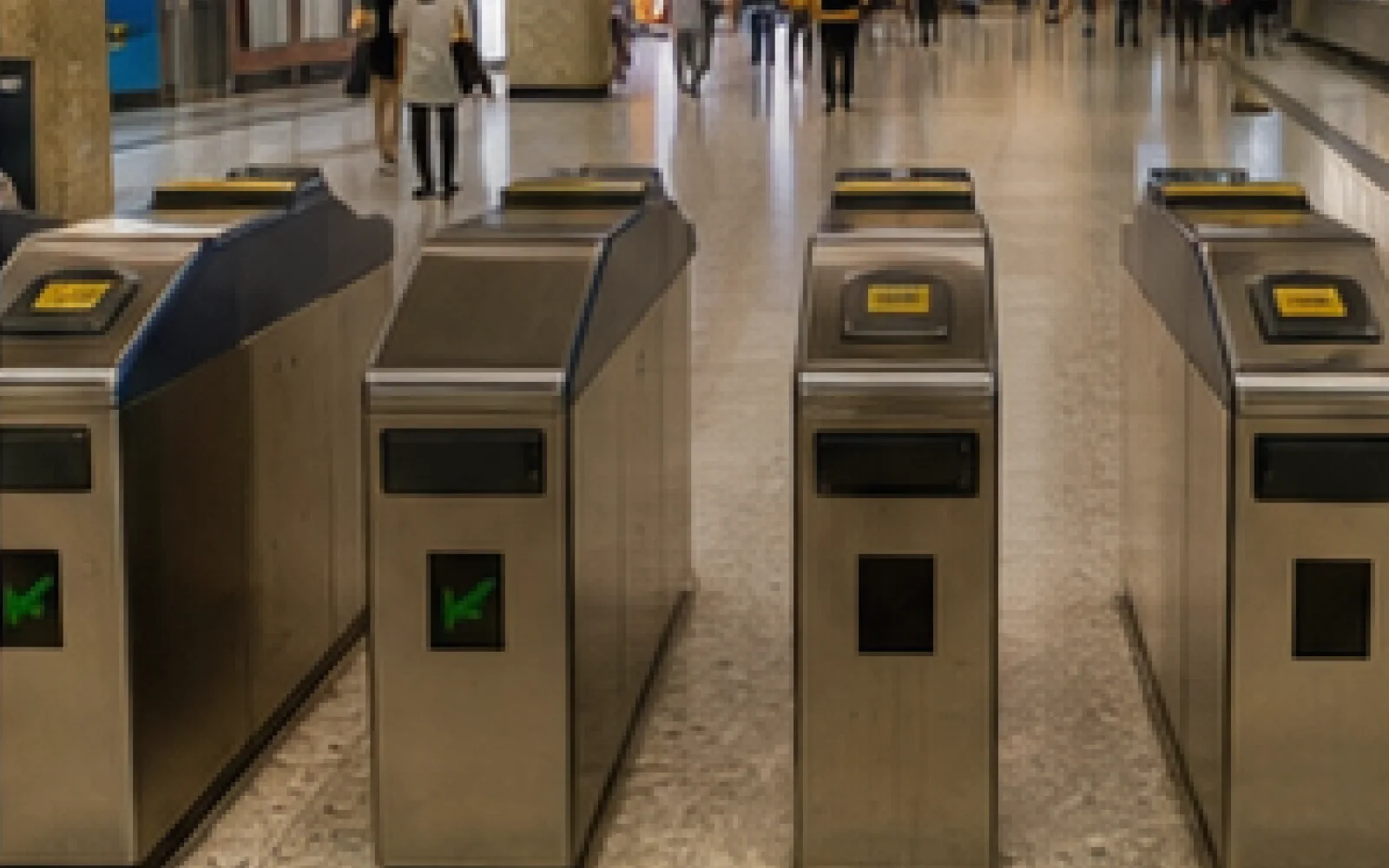
After getting off the train, don't follow the first signs to street level right away. Check the exit once more on the station map before the ticket gates.
Reality check
Save the subway exit letter and number, the first building you'll see, and the street-level elevator location. Treat long passages between connected stations as separate walks.
For your first visit to a large station, add 10–15 minutes to your schedule to get from the train to street level. Actual time depends on the exit and your walking speed.
If you come out at the wrong exit, find the right exit inside the station rather than correcting your route by taxi.
Don't stop on a crowded escalator. Use an elevator with a stroller or large bags.
If plans change
Follow on-site detour signs and staff directions, then check the street-level route from the alternate exit to your destination.
Check MTR facility notices and ask staff about another accessible route within the same station. If no route is available, compare other transport options such as a taxi.
Small tip
If Google Maps' suggested exit differs from the official station layout, follow the signs on site and MTR information. If there are notices about connecting passage hours or elevator maintenance, choose another exit before going up to street level. Asking station staff for an accessible route can save unnecessary travel compared with taking a taxi back at extra cost.
Final check before departure
- Screenshot the exit letter and the first building
- Check elevator and accessible routes
- Save an offline map and your accommodation address
Exit closures, elevator maintenance, and construction in connecting passages can change in real time.
Information checked: 2026-10-03