
At a glance
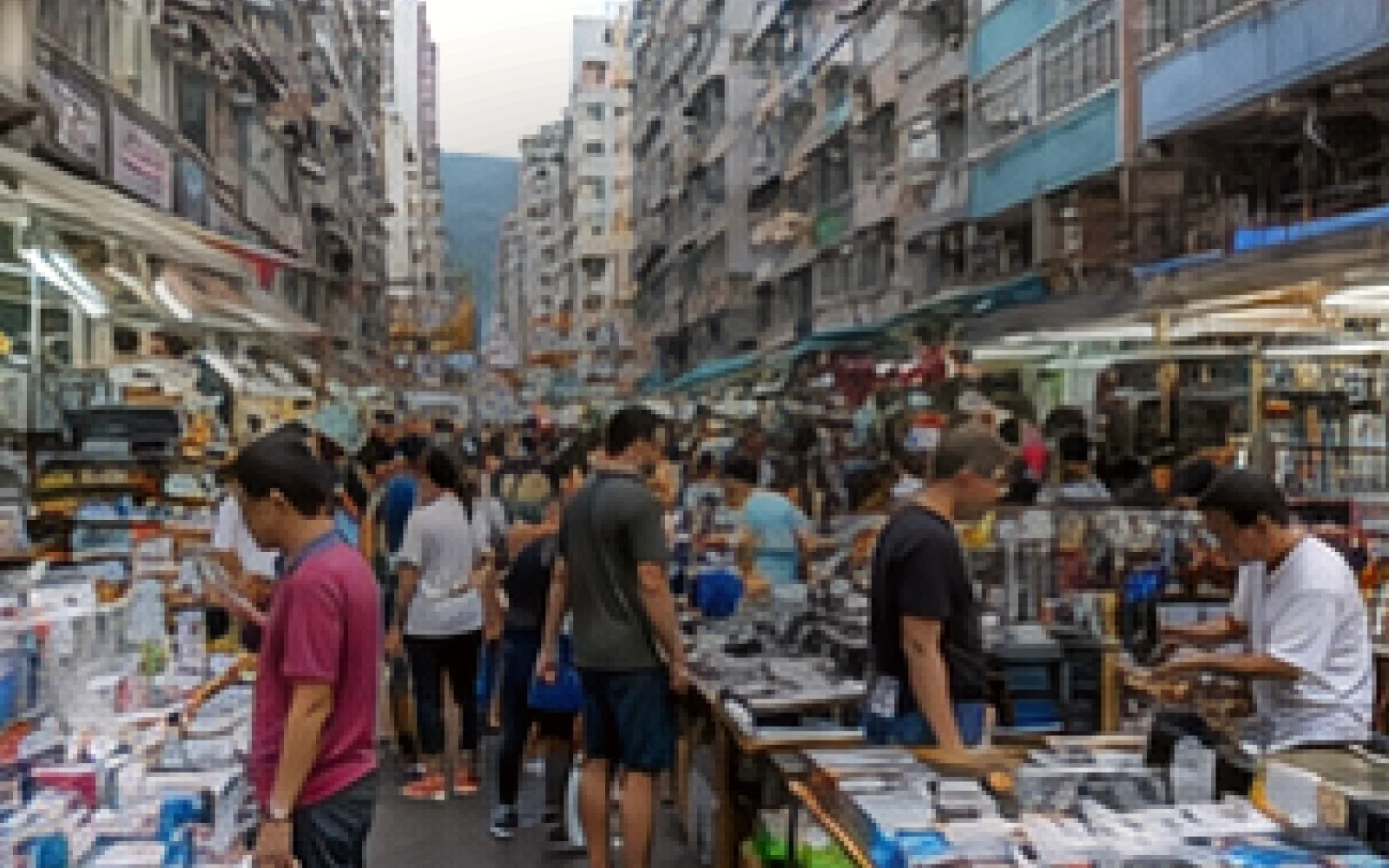
- How far you walk in Sham Shui Po depends on what you’re looking for. For electronics, use Apliu Street as your starting point; for buttons, Ki Lung Street; for beads, Yu Chau Street; and for ribbons, Nam Cheong Street. Describing Yu Chau Street only as a fabric street can confuse both people looking for beads and those looking for fabric.
- For your first visit, limit yourself to two material streets, or Apliu Street and one meal. Check the station map at Sham Shui Po MTR station to find the exit closest to your first stop, then walk in one direction. This is a place to see goods being sold and residents going about their day, rather than to seek out one major attraction. You don’t need to fit electronics shops, textiles, cafés, and traditional markets into the same half-day.
- Before buying supplies, ask whether prices are per item, bundle, or length. Show the length or quantity you want, then confirm the minimum purchase and total price. If the color needs to match, bring a small sample instead of relying only on a photo. For electronics, check the voltage, plug type, compatibility with use in Korea, and warranty terms so a cheap item doesn’t become unnecessary baggage.
Day by day
Suggested itinerary
See each day's route, highlights, background and stay together in one place.
Sham Shui Po station → buttons on Ki Lung Street → beads on Yu Chau Street or ribbons on Nam Cheong Street → local meal → Sham Shui Po station
Choosing streets and checking purchases
There is no admission fee to walk around; your actual spending will be on transport, food, and purchases. Don’t let an item’s apparent cheapness determine your budget. Set a spending limit for each item you plan to buy. For used electronics, check that they power on and work as intended, and ask about the receipt and return or exchange terms. There is no market-wide refund policy or set of opening hours, so confirm with the shop directly for important purchases.
If you don’t plan to buy supplies, you can shorten the visit to 2–3 hours to look at shop displays and relax at a local restaurant. Ask permission before photographing residents, shopkeepers, or inside a shop, and don’t block the sidewalk. If it’s raining hard, skip street stalls and switch to open indoor shops and a meal. You don’t have to continue down to Jordan after a daytime walk. If you’re tired, it’s easier to return to your hotel from the same Sham Shui Po station.
How to fit it in
Visit two streets of interest and have a meal during the day or afternoon. Check each shop’s hours and finish at Sham Shui Po station.
Reality check
For craft supplies and the electronics stalls on Ap Liu Street, use Exit A2 or C2 at Sham Shui Po Station as your starting point. If an exit is under construction, follow the station signs for an alternative.
Allow 3–5 hours for the markets, electronics shops, and a meal.
Set separate budgets for electronics, fabric, and snacks, and avoid impulse buys of electronics without a warranty.
Watch for crowds, traffic, and your belongings. Ask residents and shopkeepers before taking photos of them.
If plans change
Keep only the market, textile streets, and food stops in your route.
Cut back on the street-stall walk and head to indoor dining and shops.
Small tip
Even without a shopping list, the signs, shop displays, and dense alleyways are worth a look.
Final check before departure
- Choose what to buy and decide on the unit and quantity
- Save the first shop’s hours and the MTR exit
- Check electronics features, warranty, and receipt
Market and street-stall operations vary by day of the week and weather, so check conditions on site.
Information checked: 2026-10-03