
At a glance
- Daikanyama’s small shops are mixed in with residential areas, and their opening days vary. Keep about two public commercial facilities as options so the neighborhood walk still works even if a specific shop is closed.
- Access along the Meguro River in Nakameguro may be restricted during cherry blossom season and events. Don’t block residential entrances or lean against the railings for extended photos.
- Ebisu can be a convenient place to end the walk, with dinner options and easy rail connections back. If you’re planning drinks or dinner, make a reservation first; you can also start your walk in the opposite direction.
- Don’t plan to queue at three cafés. Choose just one place to take a real break. Check each business for its seating, reservation, child, pet, and laptop policies.
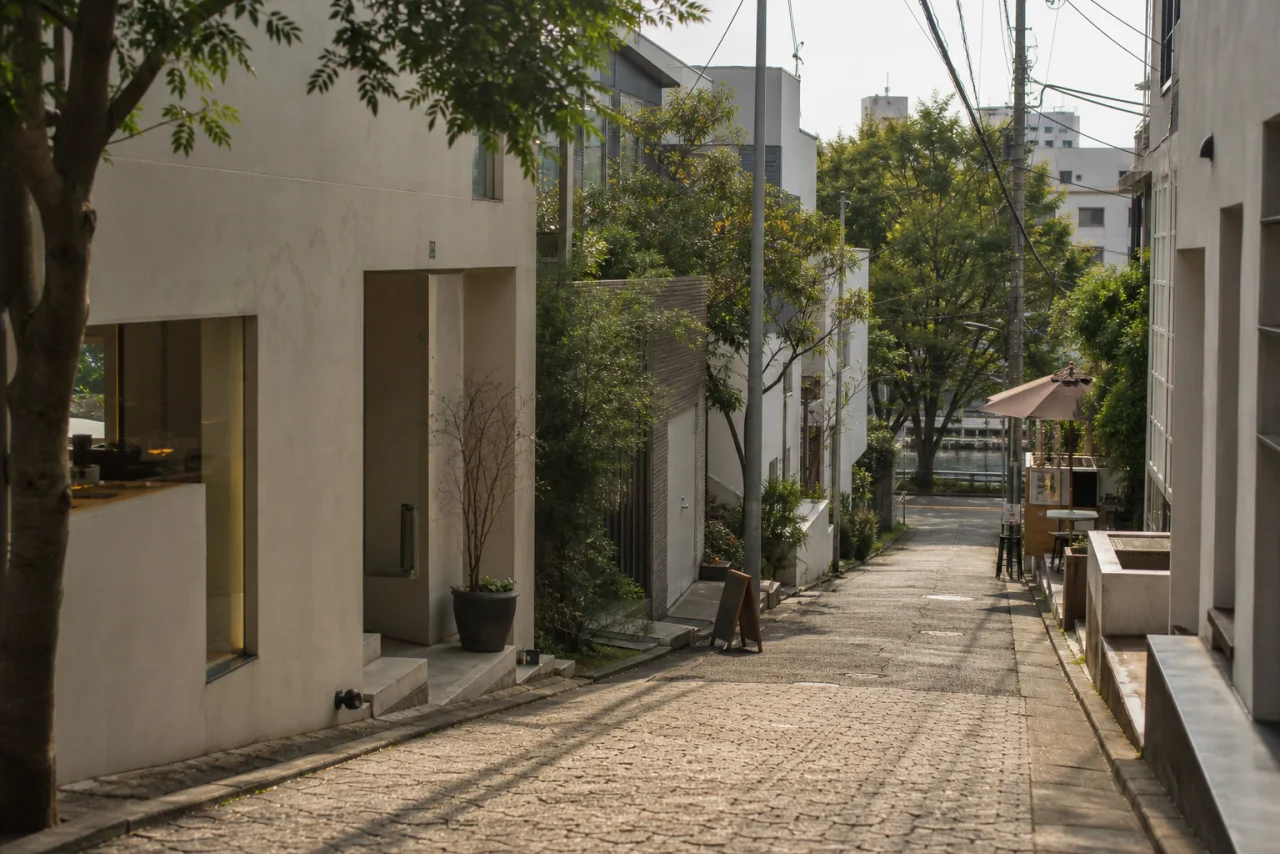
- The basic two-neighborhood route is Daikanyama Station → HILLSIDE TERRACE → Daikanyama T-SITE → Nakameguro Station and publicly accessible sections along the Meguro River. Distinguish shared commercial spaces from residential streets. At T-SITE or along the river, choose just one café that’s open that day.
- Plan on about 0.8–1 km and 15–20 minutes on foot from the west side of Ebisu Station to Daikanyama Station, then about 0.8–1 km and 15–20 minutes from Daikanyama Station to Nakameguro Station. With stops at places such as T-SITE, the basic two-neighborhood walk is around 2 km total; add time for shops and meals separately. Rain, hills, and traffic lights can make the walk longer.
Day by day
Suggested itinerary
See each day's route, highlights, background and stay together in one place.
Daikanyama Station → shared areas of HILLSIDE TERRACE → rest and eat at T-SITE. If you spend a long time at two or more shops, shorten the riverside section.
Plan for about 20–30 minutes downhill from T-SITE toward Nakameguro Station via the main road. Take a short walk along a public section of the Meguro River, then head straight to the station if it’s crowded.
Starting in Ebisu from the beginning extends the plan to 5–7 hours, including the 15–20-minute walk and time spent there. If you’ve already reached Nakameguro, count a return to Ebisu for dinner as a separate trip and make it only if you have a reservation.
Places and meals
Public commercial areas near Daikanyama Station; distinguish them from private property.
Google MapsAn option for resting at a bookstore and café in one place. Check individual business hours.
Google MapsCheck the crowds, walk only a short public section, and finish at the station.
Google MapsHow to fit it in
For your first visit, walk around Daikanyama and Nakameguro for just three hours. Add Ebisu if you’re returning to your accommodation or have a dinner reservation. When seasonal crowds are heavy, focus on commercial facilities instead of the riverfront.
Reality check
For the two-neighborhood route, start at Tokyu Daikanyama Station and finish at Nakameguro Station. To add Ebisu, head from the west side of JR Ebisu Station to Daikanyama Station and its commercial facilities, then walk down to Nakameguro. If dinner in Ebisu is your priority, reverse the route and start in Nakameguro. Daikanyama and Nakameguro are one stop apart on the Toyoko Line; JR Ebisu doesn’t connect directly along the same line.
Allow 3–4 hours for two neighborhoods or 5–7 hours for all three neighborhoods and dinner. During cherry blossom season, getting around along the river and waiting for meals can take longer, so it’s better to drop one neighborhood.
The neighborhood walk itself costs little, but café stops, design shopping, and dinner costs can add up. Decide in advance on one café stop and a spending limit. Consider your luggage and whether you’ll use what you buy rather than focusing on tax-free shopping.
Watch for cars and bicycles in narrow residential streets and poorly lit areas at night. Don’t put belongings on the river railings, and respect event barriers and residents’ privacy.
If plans change
Spend less time in Nakameguro and head to Daikanyama’s public commercial spaces or dinner in Ebisu. Don’t detour into residential streets.
Choose Daikanyama or Ebisu on its own, travel between neighborhoods by train, and take a proper break at one café.
Small tip
Seats and menus you saw on social media don’t guarantee current availability or business hours. If one shop is the reason for your visit, check its official booking and closure information. Otherwise, choose somewhere without a line.
Final check before departure
- Check seasonal events, riverfront restrictions, and the weather.
- Check official business hours for one or two shops or cafés you plan to visit.
- Save the basic two-neighborhood route and a nearby station for ending the walk early.
Small shops and riverside events can change their hours or plans. Check the public route and official event and transit information for the day instead of relying on a fixed shop list. Don’t skip breaks to save money; include a café stop and the rail fare to end your walk early in your half-day budget. Prioritize residential safety and quiet, even if you don’t have a reservation. After dark, use main roads instead of the riverside.
Information checked: 2026-10-03