
At a glance
- Sangiovese is a grape variety; Chianti Classico, Brunello di Montalcino, and Vino Nobile di Montepulciano are wine names with designated origins and production rules. The explanation that links the name Sangiovese to “the blood of Zeus” is one widely known theory about its origin, not a confirmed meaning. Sangiovese can taste different depending on where it is grown and how the wine is aged. The numbers below are not a ranking.
- Cabernet Sauvignon, Cabernet Franc, Merlot, and Syrah are international varieties found in several parts of Tuscany, including the coast and the south. Each variety has bottles at a range of prices. The expensive wines selected here do not represent the average price for those varieties. Acidity means tartness; tannins create a drying, puckering feeling in the mouth.
Flavor, Notable Bottles, Prices, and Ratings
Choose a Bottle by Variety
Prices below are listed in euros on the linked pages, checked on September 6, 2026. Ratings are out of 100 and apply to the vintage shown. Teruzzi’s 91-point rating is the retailer’s own; the others are from professional publications. Because their rating standards differ, the numbers alone do not make a reliable comparison. Superiore.de prices include German VAT; shipping is extra. These prices do not guarantee what you will pay in Italian shops.
Choose this if you like cherry, dried herbs, fresh acidity, and a hint of earth. A notable bottle is Fèlsina Rancia, which the producer says is 100% Sangiovese. It pairs well with grilled steak and ragù pasta.
-
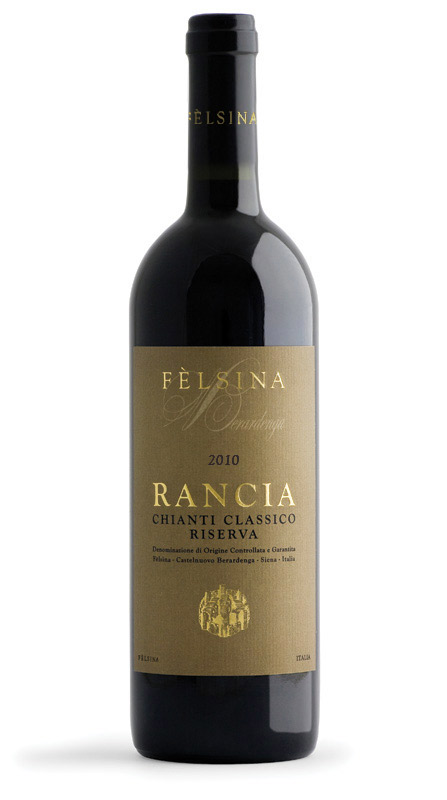
사진: Fèlsina · 원본 보기 The photo shows the 2010 Riserva label. Its vintage and designation differ from those of the recommended 2021 bottle. Fèlsina Rancia 2021Google MapsListed price: €46 at Antonio’s Wine, 750 ml, 2021. Rating: Wine Enthusiast 92 points for the same 2021 vintage, listed as a 750 ml bottle. View the wine at the retailer Read more about Amarone and oak barrels on Artvino
If you like lemon zest, white flowers, and an almond finish, look for the white wines of San Gimignano. Teruzzi Isola Bianca is 100% Vernaccia di San Gimignano. It pairs easily with fried fish, shellfish pasta, and Pecorino cheese.
-
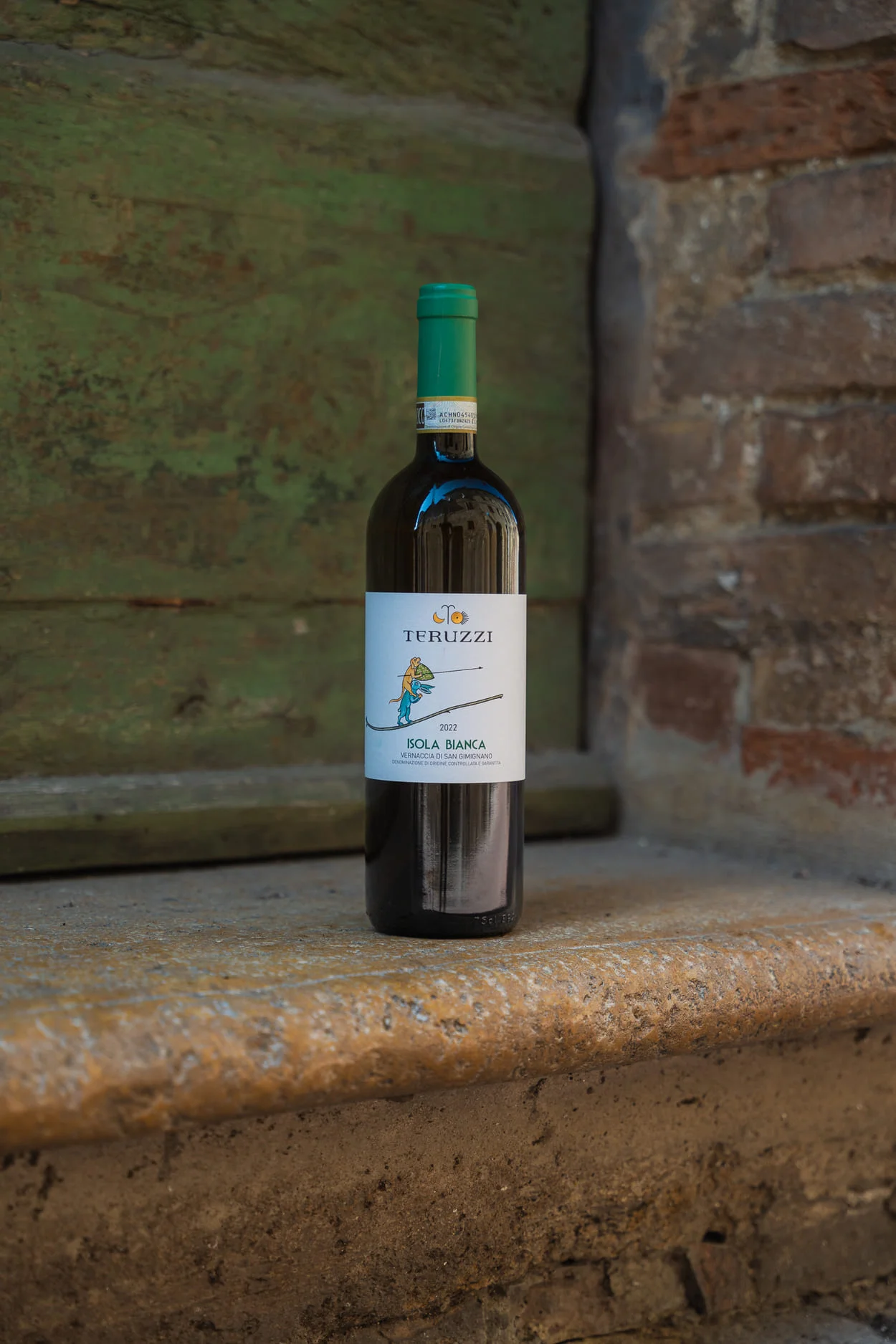
사진: Teruzzi · 원본 보기 Photo for product identification. The vintage and label in the photo may differ from the bottle for sale. Teruzzi Isola Bianca Vernaccia di San Gimignano DOCGGoogle MapsListed price: €8.95 at a German retailer, 750 ml, 2024. Rating: Dennis Brünig’s 91/100 value-for-money rating on the retailer’s site. View the wine at the retailer
Choose this when you want something fresh, with notes like grapefruit, herbs, and sea salt. Perlato del Bosco is a 100% Vermentino wine from Tua Rita in Suvereto, near the coast. It pairs well with grilled sea bass, spaghetti alle vongole, and goat cheese.
-

사진: Tua Rita · 원본 보기 Photo for product identification. The vintage and label in the photo may differ from the bottle for sale. Tua Rita Perlato del Bosco Vermentino 2025Google MapsListed price: €15.90 at Superiore.de, 750 ml. Rating: James Suckling 93 points, as listed on the same retailer page. View the wine at the retailer
A good choice if you want a white wine with a savory edge and more texture than a fruit-forward style. Tua Rita Keir Bianco is 100% Ansonica. Pair it with grilled octopus, shellfish, or fish with olives.
-

사진: Tua Rita · 원본 보기 Photo for product identification. The vintage and label in the photo may differ from the bottle for sale. Tua Rita Keir Bianco 2023Google MapsListed price: €38 at Superiore.de, 750 ml, 2023. Rating: Wine Advocate 93 points, as listed on the same retailer page. View the wine at the retailer
For an uncommon Tuscan red with black cherry, black pepper, and firm tannins, try this variety. San Felice Pugnitello is 100% Pugnitello. It goes well with richly flavored dishes such as lamb or mushrooms.
-
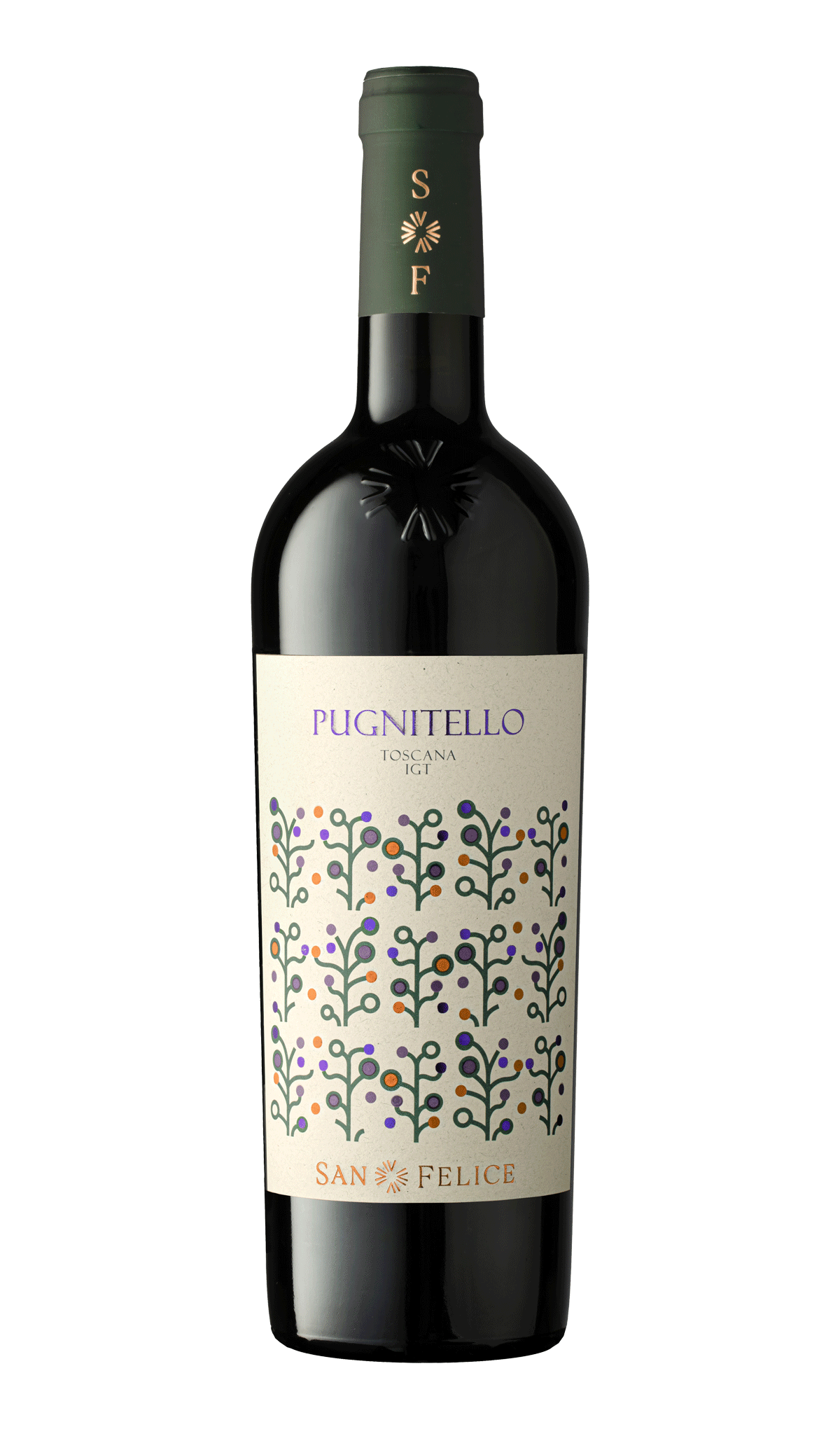
사진: San Felice · 원본 보기 Photo for product identification. The vintage and label in the photo may differ from the bottle for sale. San Felice Pugnitello Toscana IGT 2022Google MapsListed price: €52 at Superiore.de, 750 ml, 2022. Rating: Falstaff 91 points, as listed on the same retailer page. View the wine at the retailer
For black berries, herbs, graphite, and lingering tannins, look for Cabernet Franc from the Bolgheri area. Le Macchiole Paleo Rosso has been made with 100% Cabernet Franc since 2001. It pairs well with steak and aged cheese.
-
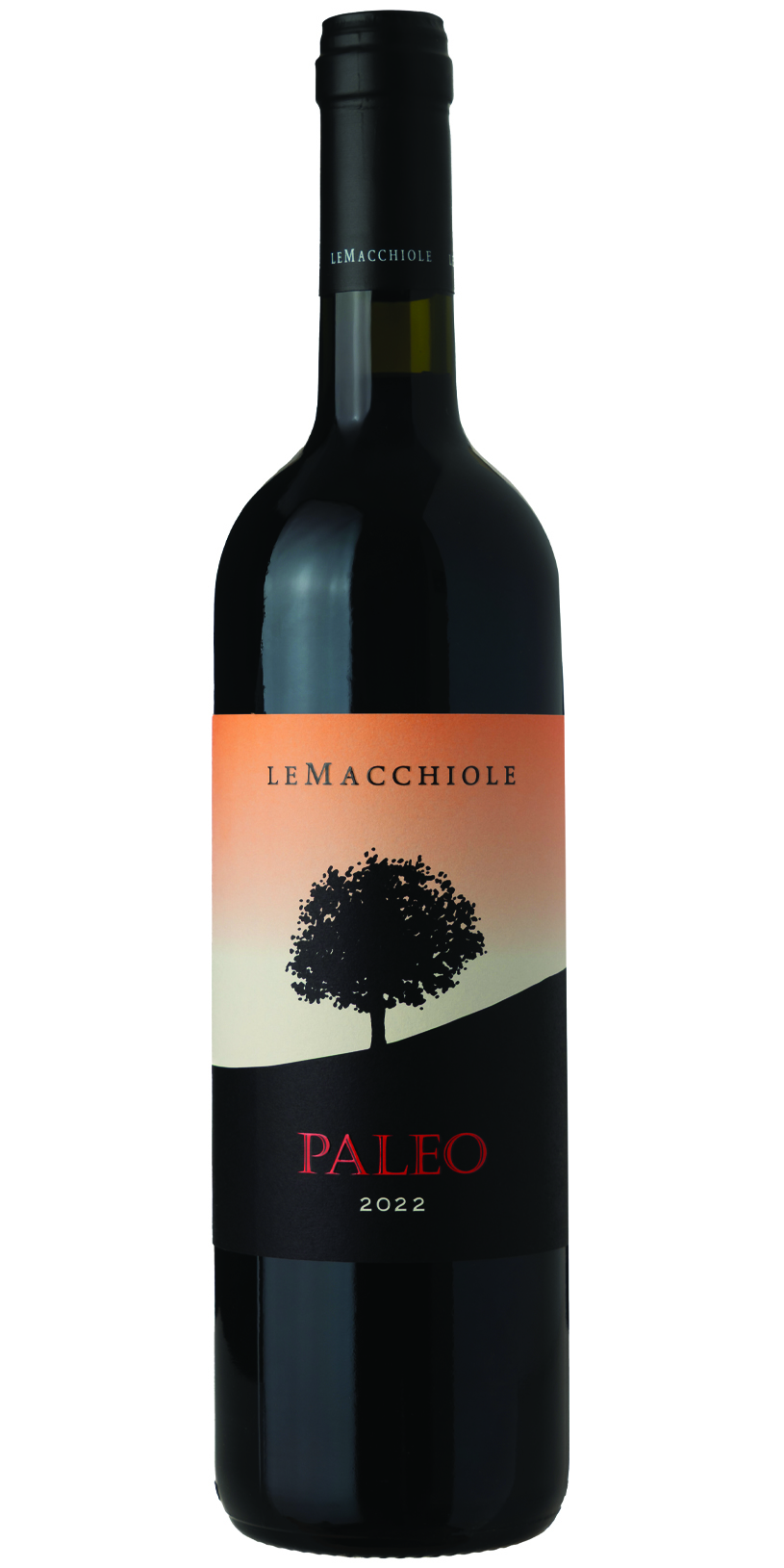
사진: Le Macchiole · 원본 보기 Photo of the 2022 bottle published by the producer. Le Macchiole Paleo Rosso 2022Google MapsListed price: €125 at Superiore.de, 750 ml, 2022. Ratings: Wine Advocate 96 points and James Suckling 95 points, as listed on the same retailer page. View the wine at the retailer
Choose this if you like a full-bodied red with blackcurrant, tobacco, and cedar notes. I chose Isole e Olena Collezione Privata Cabernet Sauvignon as a notable bottle. Check the technical sheet for the grape proportions in each vintage. It pairs well with rich meats such as rosemary lamb and aged beef.
-
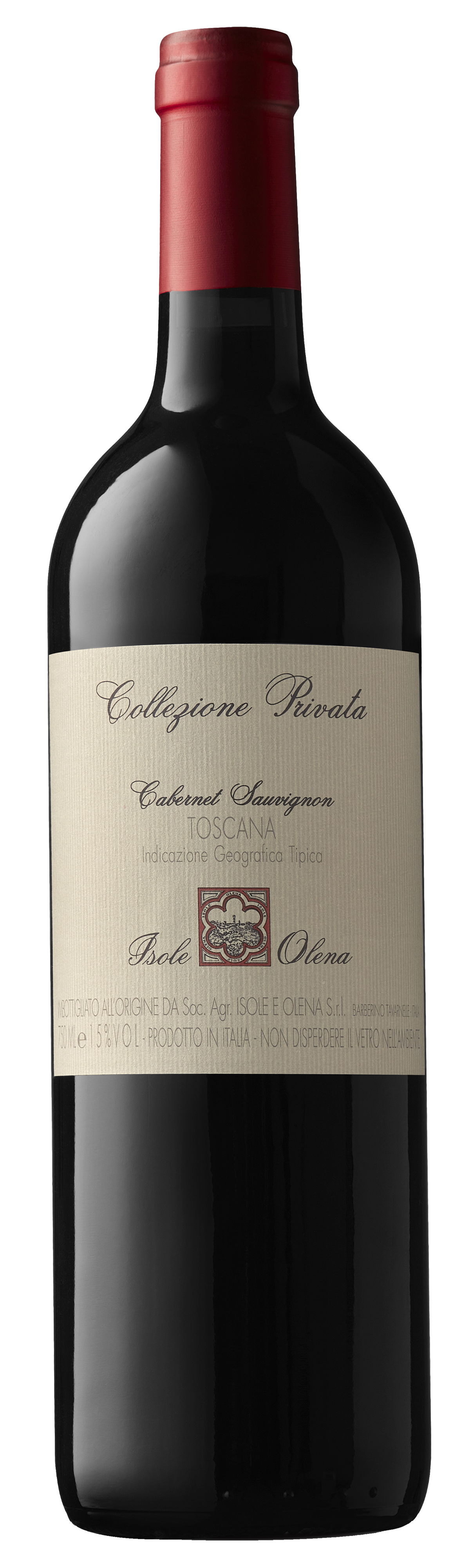
사진: Folio Fine Wine Partners · 원본 보기 Photo for product identification. The vintage and label in the photo may differ from the bottle for sale. Isole e Olena Collezione Privata 2020Google MapsListed price: €113 at Superiore.de, 750 ml, 2020. Rating: Vinous 97 points, as listed on the same retailer page. View the wine at the retailer
Merlot is an easy choice if you like generous plum and black cherry flavors with a smooth texture. Tua Rita Redigaffi is 100% Merlot. It pairs well with duck, mushroom risotto, and veal in a rich sauce.
-

사진: Tua Rita · 원본 보기 Photo for product identification. The vintage and label in the photo may differ from the bottle for sale. Tua Rita Redigaffi 2023Google MapsListed price: €259 at Licata Vini, 750 ml, 2023. Ratings: James Suckling 98 points and Robert Parker 96 points, as listed on the same retailer page. View the wine at the retailer
Choose Syrah for a rich red with black pepper, violet, and dark fruit notes. Stefano Amerighi Syrah from Cortona is 100% Syrah. It pairs well with lamb chops, barbecue, and peppered meat dishes.
-

사진: Bowler Wine · 원본 보기 Photo for product identification. The vintage and label in the photo may differ from the bottle for sale. Stefano Amerighi Syrah 2022Google MapsListed price: €33.90 at Callmewine, 750 ml, 2022 vintage. Rating: James Suckling 95/100 for the 2022 vintage, as cited by Bowler Wine. View the wine at the retailer
It is easy to dismiss it as an ordinary white grape, but well-made Trebbiano can show lemon zest, dried herbs, almond, and firm acidity. Petrolo Bòggina B is 100% Trebbiano. Take your time with it alongside richly flavored dishes such as chicken, fish cooked with butter, or mushroom risotto.
-
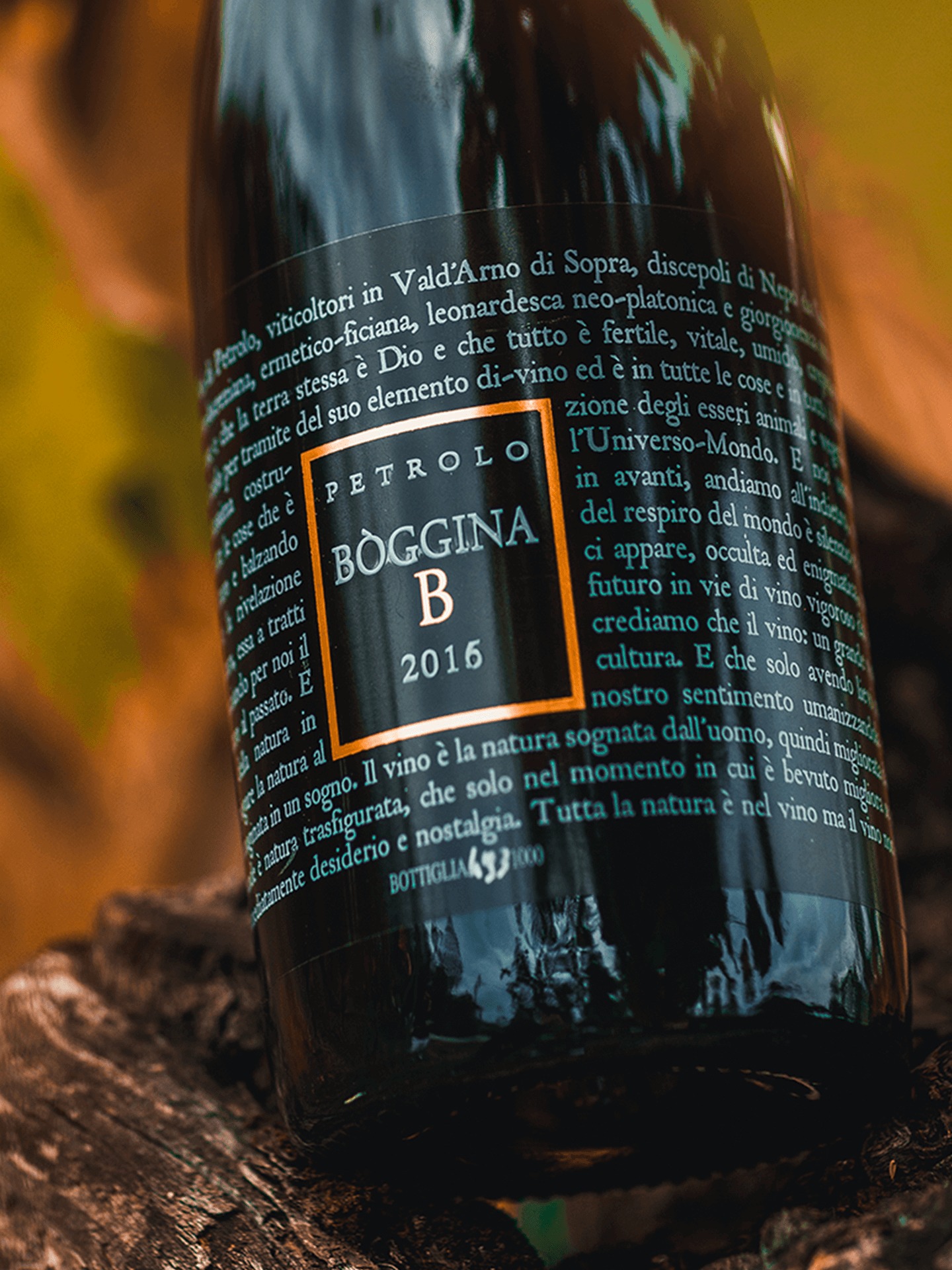
사진: Petrolo · 원본 보기 Photo for product identification. The vintage and label in the photo may differ from the bottle for sale. Petrolo Bòggina B 2023Google MapsListed price: €57 at Superiore.de, 750 ml, 2023. Ratings: James Suckling 99 points and Vinous 95 points, as listed on the same retailer page and by the producer. View the wine at the retailer
Ordering by the Glass
At a wine bar, when ordering by the glass, try telling the staff which grape variety you want. Before drinking a glass, ask to see the bottle. If you’re looking for a wine made with just one grape variety, ask the staff about the blend percentages. They’re not always listed on the label. If red wine feels too heavy at lunch, start with Vernaccia or Vermentino.
How to Read the Prices
To make ordering easier, show the bottle name and producer together. If you’re looking for a wine made from one grape variety, ask what percentage of the wine it makes up. If you can’t tell from the label, check with the staff or the producer’s information. A blend of several varieties can also be a good choice, but distinguish blends from single-variety wines when comparing the flavors of different grape varieties.
You don’t need to try all 10 varieties in one sitting. At your first meal, compare a white and a red; at your next, choose another variety from the style you liked. If you plan to visit a winery, first check how long the tasting you booked will take and how you’ll get back.
At around €10–20, Vernaccia or Vermentino are easy varieties to start with. In the €30–60 range, you can find Syrah, Ansonica, Pugnitello, and Trebbiano. The representative bottles of Cabernet Franc, Cabernet Sauvignon, and Merlot featured here were listed at €125, €113, and €259, respectively.
If you’ve tasted wine at a winery, don’t get behind the wheel of a rental car. Check Italy’s drink-driving limits and penalties again before your trip. For safety, book tastings within walking distance of your accommodation or arrange transportation with a driver.
If plans change
Instead of Sangiovese, order a glass of chilled Vernaccia or Vermentino. If you still want red, ask for a Merlot, and first check whether it has strong oak aging.
Before ordering Paleo or Redigaffi by the bottle, ask whether it’s available by the glass. If not, start the meal with a bottle of Sangiovese or Vermentino, then compare just one glass of another variety at your next wine bar.
Small tip
At a restaurant, asking about the house wine’s grape variety is often more useful. Sangiovese pairs with tomato pasta and grilled meat; Vernaccia and Vermentino go with fish and shellfish; Trebbiano pairs with fish cooked with butter or mushroom dishes. Don’t drive after a tasting.
Final check before departure
- If you plan to visit a winery, check its opening hours and whether tasting reservations are available. The shop where you buy bottles may be separate from the tasting room.
- Check the bottle name and vintage before ordering. Take a photo of the label if you want to compare it later.
- Check whether the price is for a bottle or a glass, and whether taxes and service charges are included.
- If the wine is so cold that you can barely smell it, leave it in the glass for a few minutes and taste it again. If a red feels too warm, ask the staff to chill it slightly.
- Don’t plan to drive after a tasting.
Prices are the listed prices for one 750 ml bottle from international retailers, checked on September 6, 2026. Prices for the same wine can vary by vintage, shipping country, taxes, and stock. The vintage is the year the grapes were harvested. Ratings apply to the vintage shown; they are not scores for the grape variety as a whole or a ranking of flavors.
Information checked: 2026-09-06