
At a glance
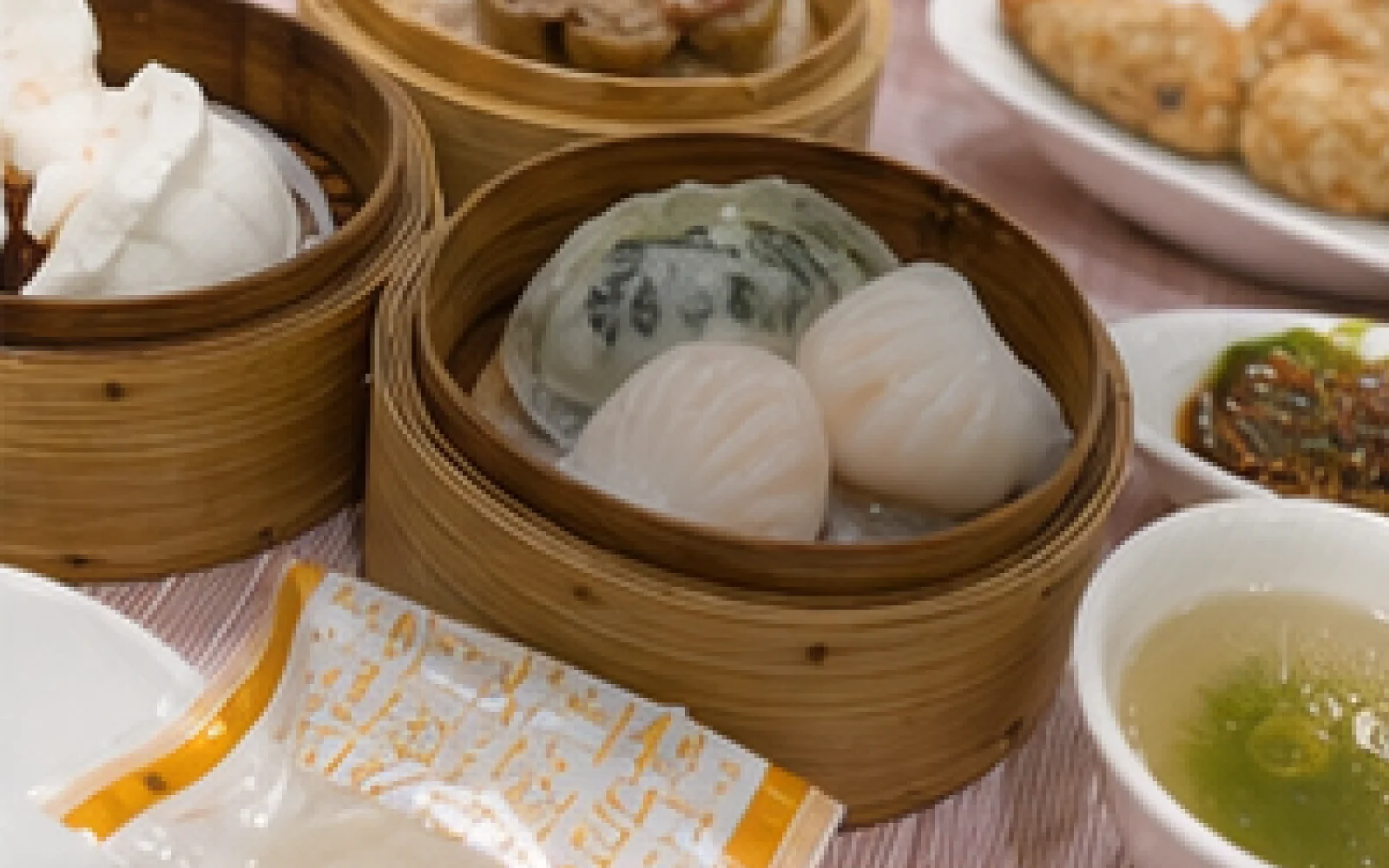
- Har gow and siu mai are two steamed dishes to compare: translucent wrappers with whole shrimp, and open-topped wrappers filled with savory pork and shrimp.
- Char siu bao pairs a fluffy bun with sweet barbecued pork filling, while cheung fun centers on rice noodle sheets and soy sauce. Even the meat dishes have distinct textures.
- For two people, start with four varieties. For three or more, add just one category—crispy spring rolls or turnip cake, or a mango or sesame dessert—to avoid an all-steamed meal.
Day by day
Suggested itinerary
See each day's route, highlights, background and stay together in one place.
Check wait times, reservations, tea charges, and service charges at a restaurant in your current area. Write down two varieties as a first order for one person, or four—har gow, siu mai, char siu bao, and cheung fun—for two people.
Move the teapot away from the aisle, then share hot steamed dishes such as har gow and siu mai. After you’ve eaten at least half of the first four varieties, add just one fried dish or dessert.
After a long brunch, push back your next meal and head to a market or park in the same area—somewhere you won’t be eating.
Places and meals
Start with har gow, siu mai, char siu bao, and cheung fun. Add a fried dish or dessert later.
Google MapsHow to fit it in
Choose a restaurant in the same area as your accommodation or first stop. Show them your list of four dishes, then decide whether to add a fried dish or dessert after you’ve finished two steamers.
Reality check
Don’t travel between Hong Kong Island and Kowloon just for dim sum. Choose a restaurant near your accommodation or morning attraction, within the same MTR area. After your meal, walk to a market, park, or another stop that doesn’t involve eating.
Allow 15–30 minutes to wait and 60 minutes to eat on a weekday. For weekend brunch, allow 30–60 minutes to wait and 75 minutes to eat. Leave at least 30 minutes between your meal and your next reservation.
Start with two varieties for one person or four for two people. Check the menu for tea charges, service charges, and any per-person seat charge. Only order more once, after checking how many pieces are in each steamer and how much food is left.
Open steamer lids away from your face, and move the teapot away from the edge of the table. Before ordering, ask whether the food contains shrimp, pork, peanuts, sesame, or gluten. If cross-contact could cause a severe reaction, choose a restaurant equipped to handle food allergies.
If plans change
Reschedule dim sum for just after opening or late in the afternoon, and have a noodle meal in your current area first.
Small tip
If you’re dining alone, start with just two varieties, such as one steamer of har gow or siu mai and one cheung fun—not four dishes. The number of pieces per steamer, tea charges, and service charges affect the total more than the number of varieties.
Final check before departure
- Note how many dishes to order first based on your group size, and set a limit for extras
- Check tea charges, service charges, and how reservations and waiting procedures work
- Save allergy notes for shrimp, pork, peanuts, and sesame
Check reservations, wait times, tea charges, and service charges on the menu for your restaurant on the day of your visit.
Information checked: 2026-07-27