
At a glance
- All three gardens publish individual notices and operating information through the Tokyo Metropolitan Park Association. Check the selected garden’s page the day before your visit for flowers and fall foliage, last entry, temporary closures, and teahouse hours.
- Choose just one garden to pair with the Shiodome and Ginza area for Hama-rikyu, the Tokyo Dome area for Koishikawa Korakuen, or the Komagome area for Rikugien. It’s better to cut down on travel that day than to visit all three.
- If it rains or the weather is extremely hot, take a short loop and switch to an indoor plan near the station. Don’t add another garden if the open areas have changed.
- Enter when you have time to walk slowly for at least an hour. If you plan to visit a teahouse, decide from the map at the entrance whether to stop after the full loop or take a break midway. Budget admission and teahouse costs separately.
- After the garden, stick to one nearby area: Shiodome or Shinbashi from Hama-rikyu, the Tokyo Dome area from Koishikawa Korakuen, or Komagome Station from Rikugien. If you have a timed reservation, leave enough time to travel there from the garden exit first.
- Hama-rikyu is a garden with a tidal pond fed by seawater and the Nakajima teahouse, set against the Shiodome buildings. The Nakanogomon Gate is about a 5-minute walk from Exit 10 of Shiodome Station on the Oedo Line. Otemon Gate is about 7 minutes from Shiodome or Tsukijishijo stations. Allow about 12 minutes from Otemon Gate to Shinbashi when leaving the garden.
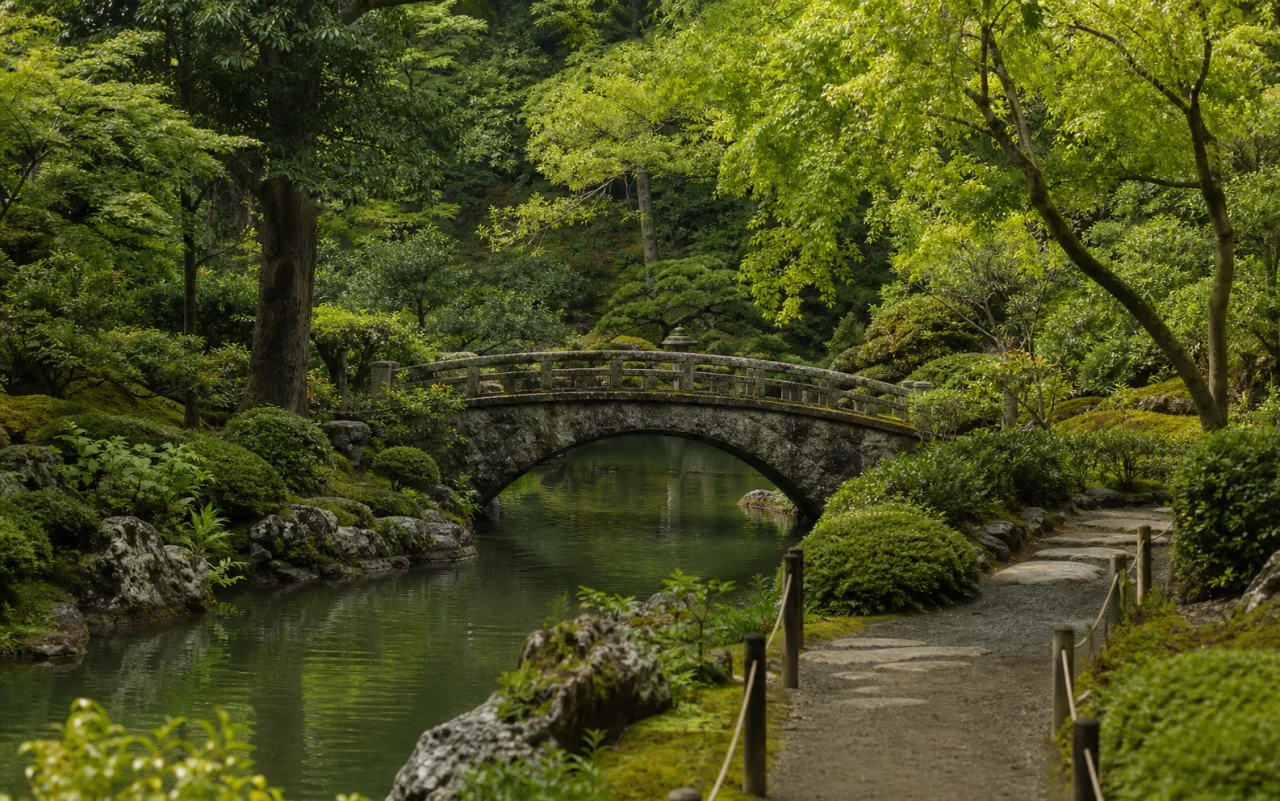
- Rikugien is a strolling garden with hills around a pond and scenery inspired by traditional poetry. The main gate is an official 7-minute walk from the south exit of JR Komagome Station or Exit 2 of Komagome Station on the Namboku Line. The nearby Someimon Gate may open specially for events, so don’t assume it is normally open. Koishikawa Korakuen is a pond, bridge, and hill garden created by the Mito Tokugawa family, with scenery modeled on famous sites in Japan and China. The east gate is a 5-minute walk from the west exit of JR Suidobashi Station; the west gate is a 3-minute walk from Exit C3 of Iidabashi Station on the Oedo Line.
- Regular adult admission at each garden is 300 yen. Usual hours are 09:00–17:00, with last entry at 16:30. Teahouses and special evening visits may require separate spending or tickets. Compare the weather and travel within the same area before ticket prices, and don’t expect a long stroll if you enter at 16:30. Check the selected garden’s notices for extended hours or temporary closures.
Day by day
Suggested itinerary
See each day's route, highlights, background and stay together in one place.
Choose one garden based on the day’s area → Check open areas, last entry, and teahouse hours → Check for restrictions after rain
Enter near opening time, take a slow loop for at least an hour, and pair it with just one nearby option: a market, Tokyo Dome, or Sugamo
Finish the loop and rest with water in the shade → Choose one indoor stop in the same area or head back
Places and meals
Pair with plans in the Shiodome or Ginza area.
Google MapsPair with plans in the Komagome or Sugamo area.
Google MapsPair with plans in the Tokyo Dome area.
Google MapsHow to fit it in
Enter near opening time and take 60 to 90 minutes to look around at an easy pace. If bridges or stone paths are difficult, ask about a shorter loop. If you visit a teahouse, check when it stops taking orders. Choose just one nearby option for afterward: a market, Tokyo Dome, or Sugamo.
Reality check
The three gardens are far apart, making them difficult to visit in one day. Check only the nearest station and exit for your chosen garden, and the walking route’s slope to your next stop.
Allow 10 minutes to check the loop at the entrance, 60 to 90 minutes for the garden walk, and 30 more minutes if you plan to visit a teahouse. Walking may be slower after rain, so leave at least 40 minutes before your next reservation. In extreme heat, keep the walk under an hour and rest in a nearby cool indoor space in the same area.
Add up admission, teahouse spending, and transportation to the chosen area. Given the travel time and cost of visiting all three gardens in one day, visiting several just because admission is inexpensive isn’t a good deal.
For safety, slow down on wet stone paths and wooden bridges after rain. Stay behind railings and out of restricted areas. On hot days, take frequent breaks at teahouses and in the shade, and bring water.
If plans change
If there’s a temporary closure or entry has ended, don’t rush to another garden. Choose an indoor alternative near Shiodome or Shinbashi for Hama-rikyu, around Tokyo Dome for Koishikawa Korakuen, or near Komagome Station for Rikugien.
If heat, rain, or walking fatigue becomes severe, don’t finish the whole loop. Leave through the nearest exit.
Small tip
Peak bloom and fall colors vary each year. Photography restrictions, temporary closures, last entry, and teahouse hours may also change, so don’t set out based only on seasonal photos.
Final check before departure
- Check open areas, last entry, and temporary closure notices for your chosen garden.
- If you plan to visit a teahouse, check its last order time and closing days.
- Save the walking time from the garden exit to your next stop in the same area.
- If rain or extreme heat is forecast, plan a short loop and a nearby indoor alternative.
Official information checked on 2026-07-29. Peak bloom and fall colors vary each year, and photography restrictions, temporary closures, or changes to last entry may apply. On the day of your visit, first check open areas, last entry, teahouse hours, and restrictions after rain for your chosen garden. Seasonal evening hours may differ from regular hours, so check the separate notice. Also check for strong wind or extreme heat advisories and follow signs for restricted areas. Check in advance for rules on photography equipment and food you may bring.
Information checked: 2026-07-29