
At a glance
- For snacks, tea, and seasonings, check the expiration date, whether refrigeration is needed, liquid and meat ingredients, and package size first. Decide how many people you’re buying for to avoid overspending.
- Not all food sold in Japan can be brought into South Korea. Before buying items whose rules may vary, such as meat, animal-based medicinal ingredients, and plant products, check the latest guidance from the Korea Customs Service and quarantine authorities.
- If you’re unsure whether an item is allowed, eat it locally. For gifts, choose easy-to-check items such as sealed snacks or tea with an ingredient label. Check the import rules for the item before returning home.
- Choose a department store food hall when you want to compare several products in one building, and a supermarket when you want to check everyday sizes and prices. Pick just one store along your route back to your lodging, and leave time to organize your bags the day before you return home.
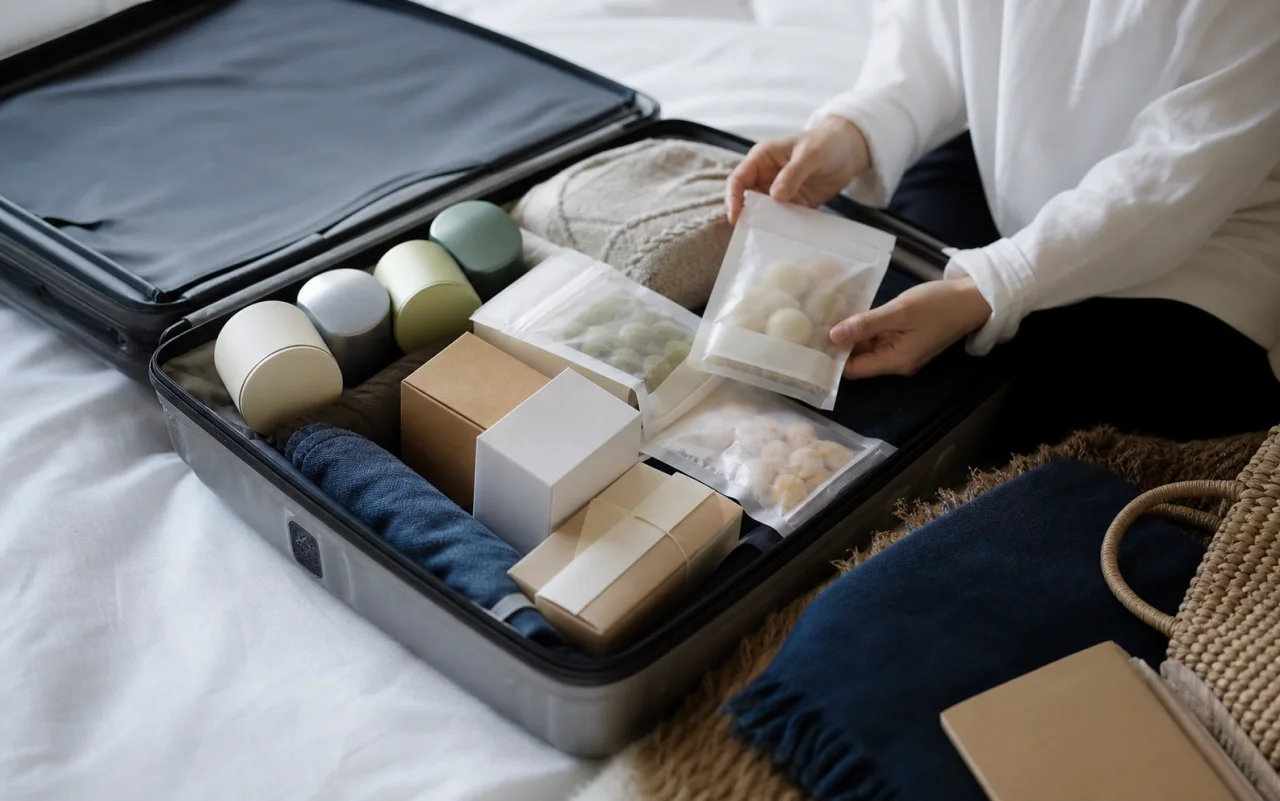
- For each gift, note the recipient, allergies, quantity, and budget. Check whether the box will fit in your bag and whether the product will remain within its expiration date until you give it. Even with a large discount, there’s no need to buy more than you have people to give gifts to.
- Include protective packaging for leaks and breakage in the cost of bottled products. Leave refrigerated items off your gift list if you can’t keep them cold until you get home. Keep the ingredient label and packaging so you can accurately describe the item when asking about import requirements.
- If an item is sold out or the checkout line is long, choose another product at the same store whose ingredients and import requirements you can verify. If you don’t have time to check, skip the purchase or choose stationery instead of food. Don’t assume an item is allowed just because it’s sealed.
Day by day
Suggested itinerary
See each day's route, highlights, background and stay together in one place.
List recipients and quantities → Check room-temperature storage, liquid, and quarantine requirements → Choose one store to visit the day before you return home
Shop during the last two days of your trip, prioritize items that can be stored at room temperature, check duty-free conditions, and review checked-baggage rules for fragile bottles
Recheck expiration dates and import requirements → Wrap bottles and snacks individually → Weigh your bags and finish shopping
Places and meals
3-14-1 Shinjuku. A place to compare snacks, tea, and seasonings from several brands in one building.
Google Maps1-1-5 Nishi-Shinjuku, Basement 2 of Lumine 1. An option for buying groceries along the station’s south-side route. This is distinct from the Lumine 2 store.
Google MapsHow to fit it in
Shop for food during the last two days of your trip and choose room-temperature products first. Check duty-free conditions, and review checked-baggage rules for fragile bottles.
Reality check
Buy bulky food on your way back to your accommodation the day before departure, then finish packing and organizing your luggage. Buy anything on departure day only if you have enough time for packing and luggage organization, as well as the airport arrival time recommended by your airline. It’s best to avoid an itinerary that has you carrying refrigerated items and bottles across several areas.
If you have a list, set aside 60–90 minutes for one store and another 30 minutes for packing and organizing your luggage at your lodging. Don’t leave shopping until the last night; finish by the evening before you return home. If the checkout line is long, reduce the number of items.
Set both a per-recipient limit and an overall weight limit. Add packaging and possible extra-baggage costs to the item prices, and don’t buy quantities you won’t use just to meet a duty-free threshold.
Food import safety is separate from whether an item is sold in Japan. Check South Korean quarantine rules and airline baggage rules for meat, fresh food, and liquids; if you’re unsure, eat the item in Japan. Pack glass bottles individually, and it’s safer to leave refrigerated items off your gift list.
If plans change
Put off the purchase or choose stationery instead of food. Room-temperature sealed products are still subject to import rules based on their ingredients, so don’t judge whether they’re allowed by packaging alone.
If your bags are heavy or you don’t have time to check import requirements, postpone food shopping and choose lightweight stationery instead. A sealed product that can be stored at room temperature is not automatically allowed into South Korea.
Small tip
Fresh food and processed meat products may be subject to quarantine. Being sold in Japan does not mean an item is allowed into South Korea.
Final check before departure
- Check opening hours and advance-order or reservation requirements for the food halls and stores you plan to visit
- Record quantities by recipient, allergies, room-temperature storage needs, and spending limits
- Check South Korean food import rules and airline rules for liquids and checked baggage
- Check bottle packaging and remaining bag space, and decide when to finish shopping the day before you return home
Official guidance was checked on 2026-07-29. Fresh food and processed meat products may be subject to quarantine. Being sold in Japan does not mean an item is allowed into South Korea. Recheck the official links below just before your visit.
Information checked: 2026-07-29